Hot Water Cylinders: A Complete Guide for Hobart Homeowners
Hot water cylinders are one of the most essential components in any Hobart home or business, and understanding how they work, when they fail, and how to choose the right type can save you time, money, and stress. Whether your current unit is ageing or you are planning a new installation, knowing your options means you can make a confident, informed decision before problems arise.
What Are the Main Types of Hot Water Cylinders?
Several types of hot water cylinders are commonly found in Hobart, TAS, properties, each suited to different households and budgets.
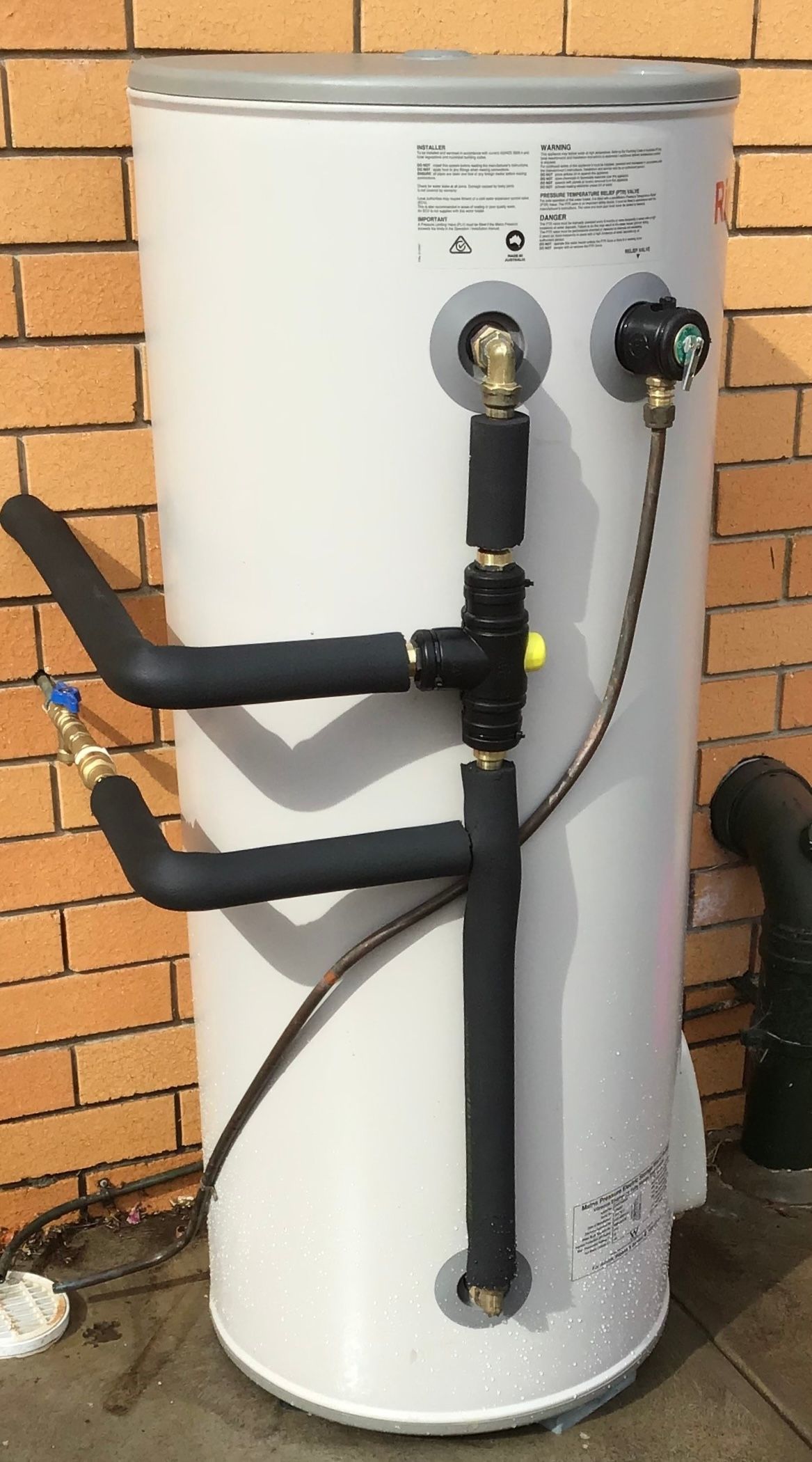
Electric storage cylinders are the most widely used option across Tasmanian homes. They heat and store water in an insulated tank, drawing on off-peak electricity tariffs to reduce running costs. Gas storage cylinders work on the same principle but use natural gas or LPG as their energy source, which can offer faster heat recovery times.
Heat pump cylinders are growing in popularity because they draw warmth from the surrounding air rather than generating heat directly. This process can use significantly less energy compared to a conventional electric system. Solar hot water cylinders use roof-mounted collectors paired with an electric or gas booster for cloudy days, making them a long-term option for households looking to cut energy bills.
Continuous flow systems, sometimes called instantaneous units, heat water only on demand and have no storage tank at all. These units may suit smaller households or properties where space is limited.
How Long Do Hot Water Cylinders Last?
Most hot water cylinders in Hobart, TAS, last between 8 and 15 years depending on type, usage, and maintenance. Electric and gas storage tanks commonly reach the 8 to 12-year mark, while continuous flow systems may last 15 to 20 years with proper care. Heat pumps typically fall somewhere in the 10 to 15-year range.
Tasmania's relatively soft southern water can be gentler on cylinder components than conditions found on the mainland, but that does not mean maintenance can be ignored. Regular anode rod checks can extend the life of a storage cylinder noticeably. If your system is past the 10-year mark and showing warning signs, it is often more cost-effective to replace it than to keep spending on repairs.
Signs Your Cylinder May Need Attention
Knowing what to look for helps you act before a small problem becomes a full breakdown. Watch for these warning signs:
▸Running out of hot water faster than usual, which may point to worn heating elements or sediment build-up.
▸Strange banging, popping, or rumbling sounds when the cylinder heats up, often caused by scale settling at the base of the tank.
▸Visible rust or discolouration in the hot water coming from your taps.
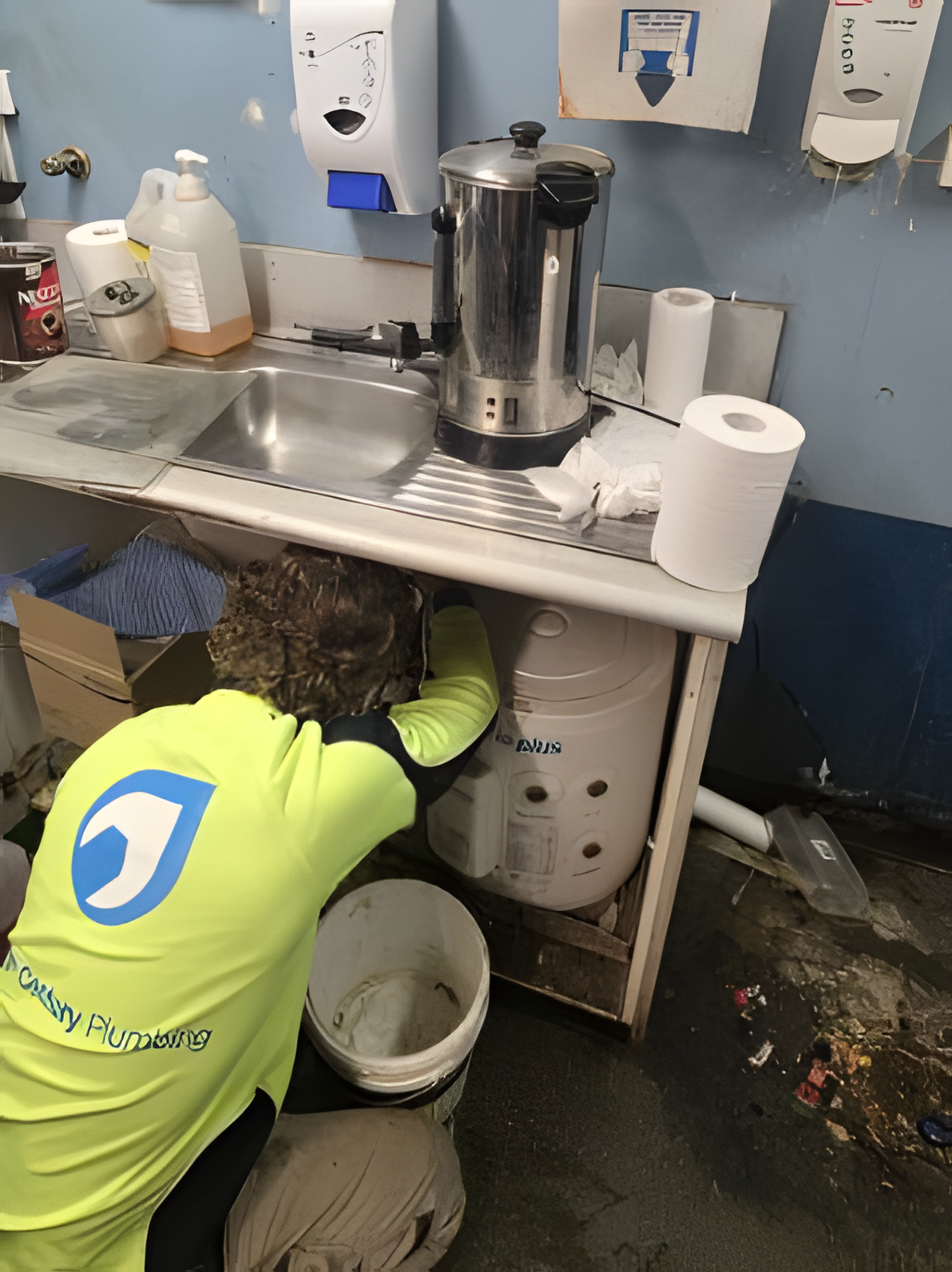
▸Water pooling or weeping around the base of the unit, which may indicate a failing tank.
▸Rising energy bills without a clear explanation, as a struggling cylinder can use more power to produce the same amount of hot water.
Choosing the Right Size for Your Property
Choosing the right cylinder size is just as important as choosing the right type. A unit that is too small will leave your household regularly short of hot water, while an oversized unit wastes energy heating water that sits unused.
As a general guide, a two-person household may manage comfortably with a 125 to 160-litre storage cylinder. A family of four typically needs 250 to 315 litres. Larger households or properties with high demand may require 400 litres or more. A licensed plumber can assess your daily usage patterns and recommend an appropriate size for your specific situation.
Commercial properties in Hobart, TAS, often require purpose-designed high-capacity systems to meet the greater and more continuous demand placed on hot water supply throughout the working day.
Repair or Replace?
This is a question many Hobart homeowners face when their system starts playing up. As a general rule, if the cylinder is under eight years old, a component repair is often worth exploring. If the tank itself is leaking, replacement is almost always the only option regardless of age. If repair costs are likely to exceed half the cost of a new unit, investing in a replacement is typically the more practical choice.
Upgrading to a modern cylinder also has broader benefits. Newer systems tend to run more efficiently, deliver hot water more reliably, produce cleaner water, and may add value to your property.
What Does Professional Installation Involve?
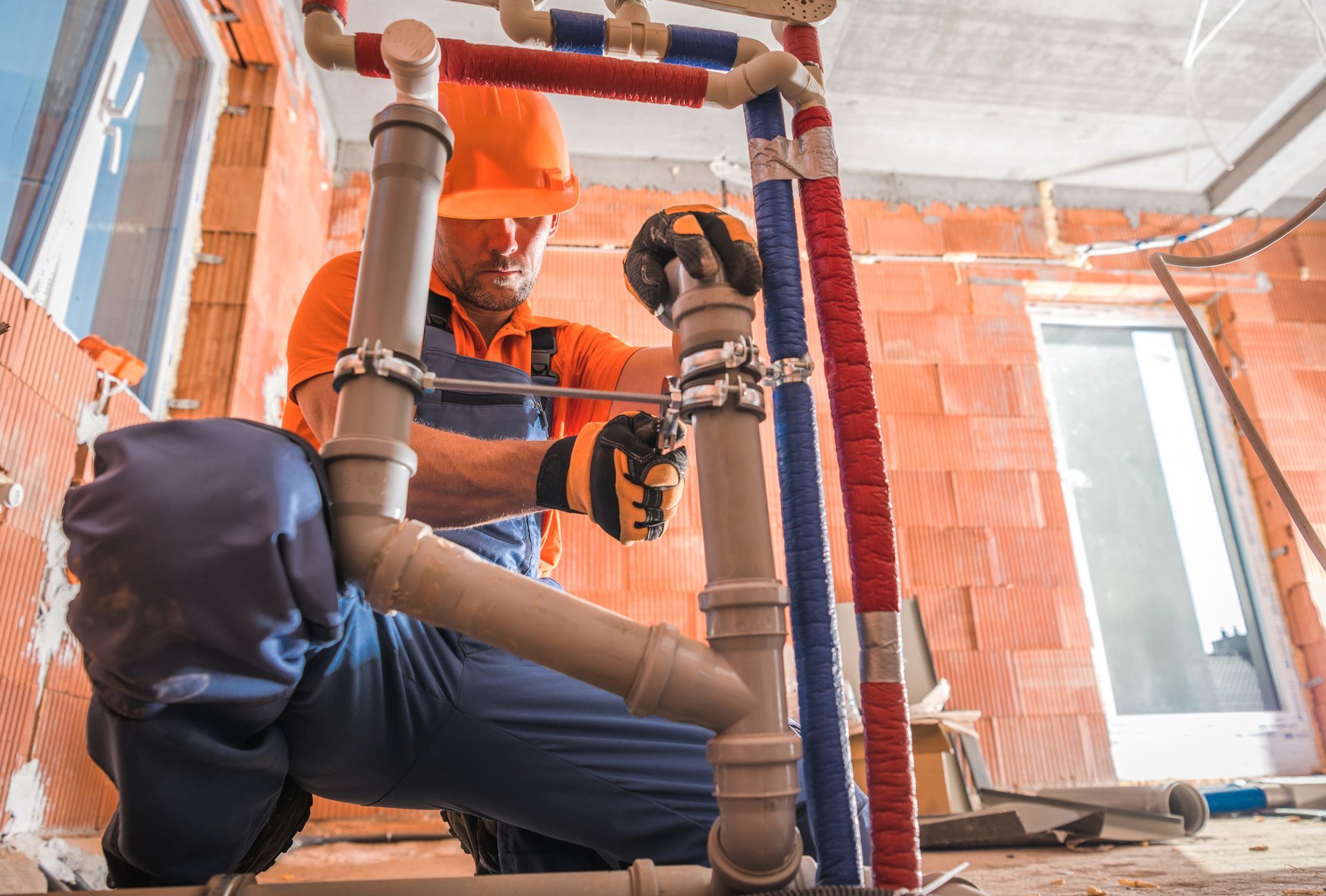
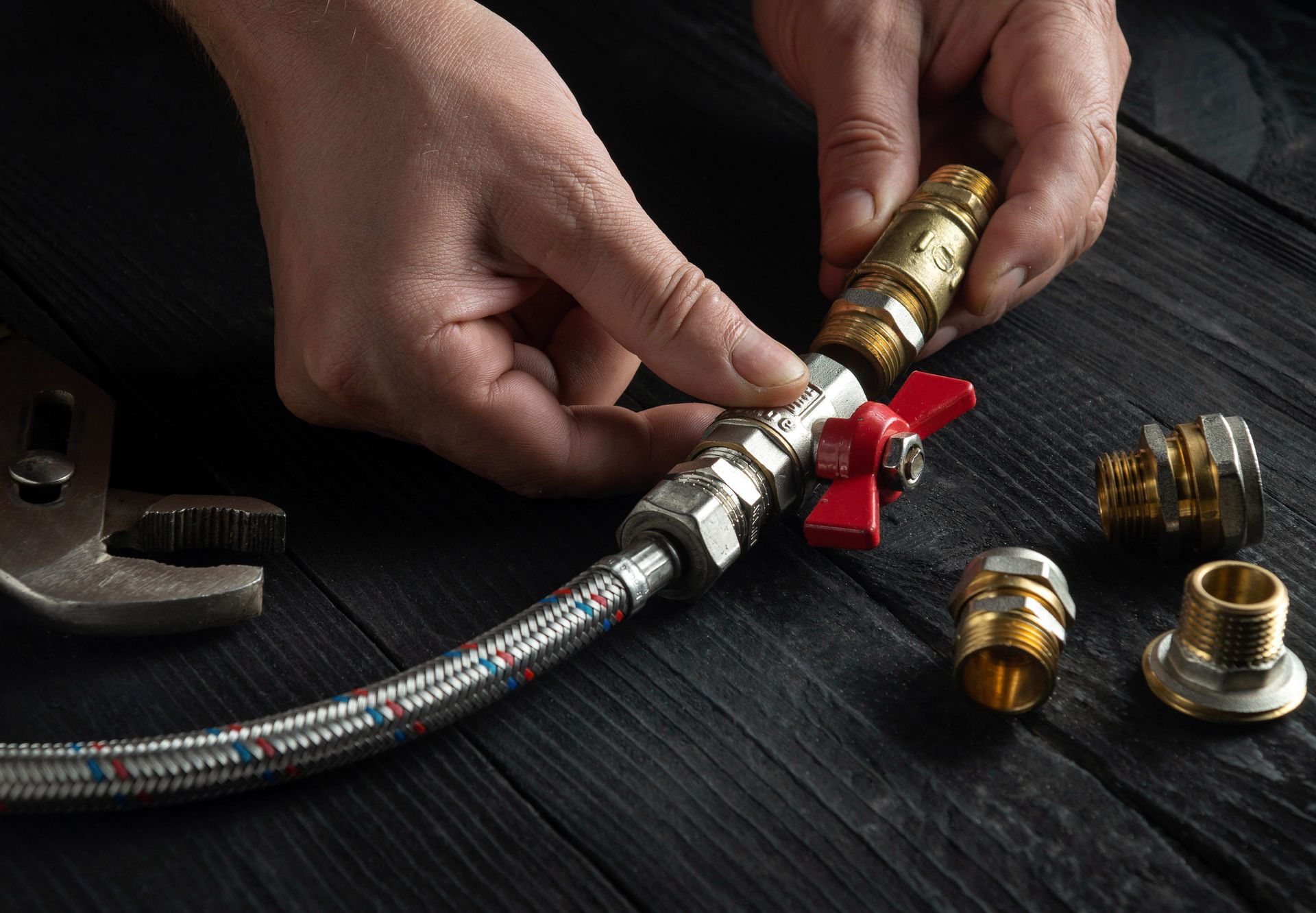
Licensed installation is required for all hot water cylinder work in Tasmania. A qualified plumber will correctly position and secure the unit, connect hot and cold water lines, fit a temperature and pressure relief valve, and check the entire system is operating safely before leaving the job.
In many cases, a tempering valve is also required under Australian standards to limit the temperature of water delivered to fixtures. This is an important safety measure, particularly in homes with young children or elderly residents.
All electrical connections to an electric cylinder must also be carried out by a licensed electrician. Attempting to install or significantly modify a hot water system without the proper licences is unsafe and may void manufacturer warranties.
Ready to Sort Your Hot Water in Hobart?
Hot water cylinders in Hobart homes and businesses need professional care to perform reliably year after year. 20th Century Plumbing provides hot water cylinder installation, replacement, and repairs across Hobart, TAS, and surrounding areas, backed by over 50 years of local plumbing experience. Whether you need urgent help or want to plan a proactive upgrade, the team is available 24/7 for emergencies.
Call
03 6272 5633 to speak with a licensed plumber, or get in touch via the
contact page to book an inspection. For a full overview of what is available, visit the domestic plumbing
services page to explore the complete range of hot water and plumbing solutions.